

In October 2026 a group from Fudokan Dojo London went to Japan on an intensive training trip that took them from the heart of Yokohama city to the depths of the mountains of rural Nara.
The focus of this year’s retreat in Dorogawa was the Kurikara Ryu mandala, which provide a detailed guide to the inner system of mind and body and how to cultivate shinshin renma (心身錬磨). Systematic training in the Seishin aspect of Budo is very rare.
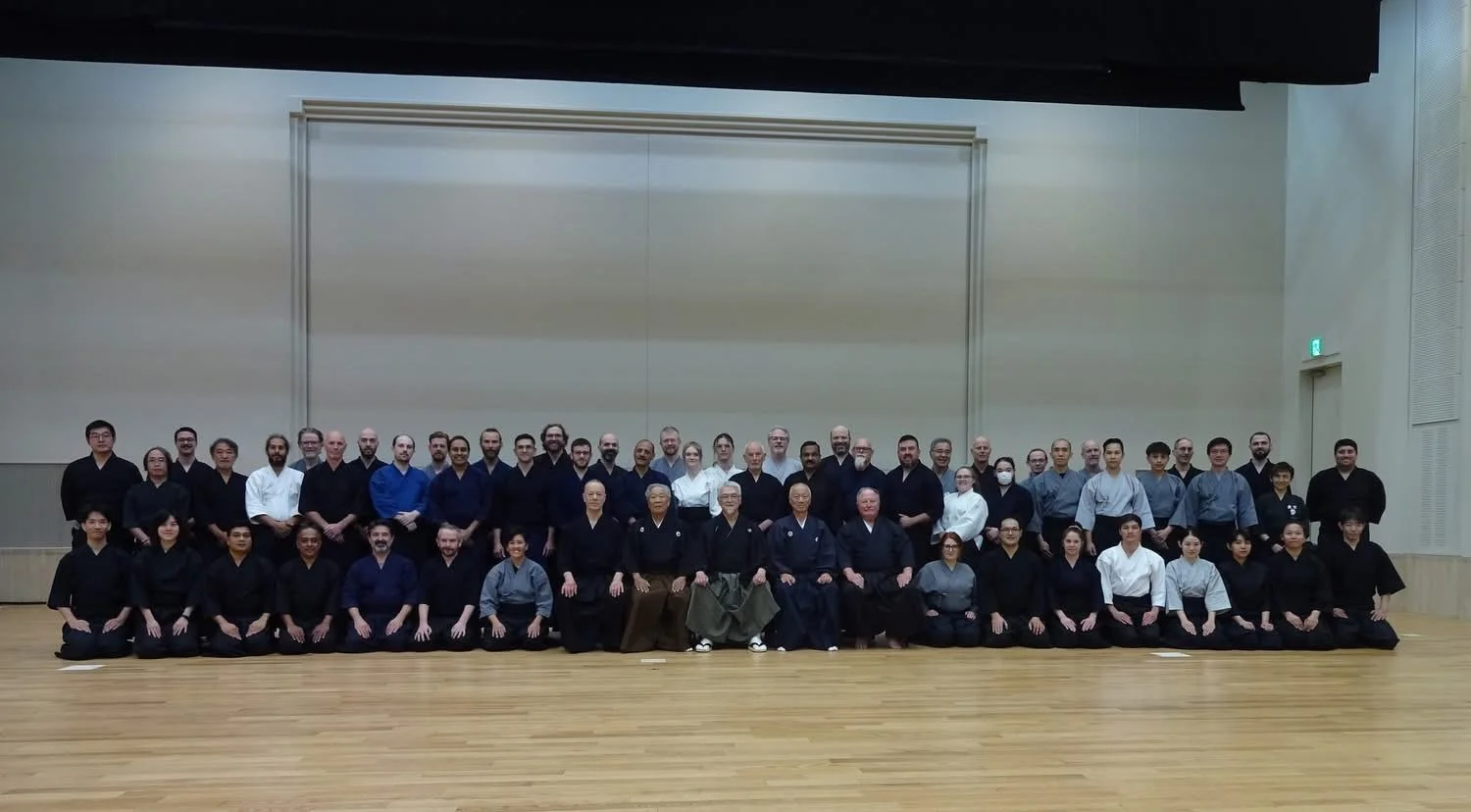
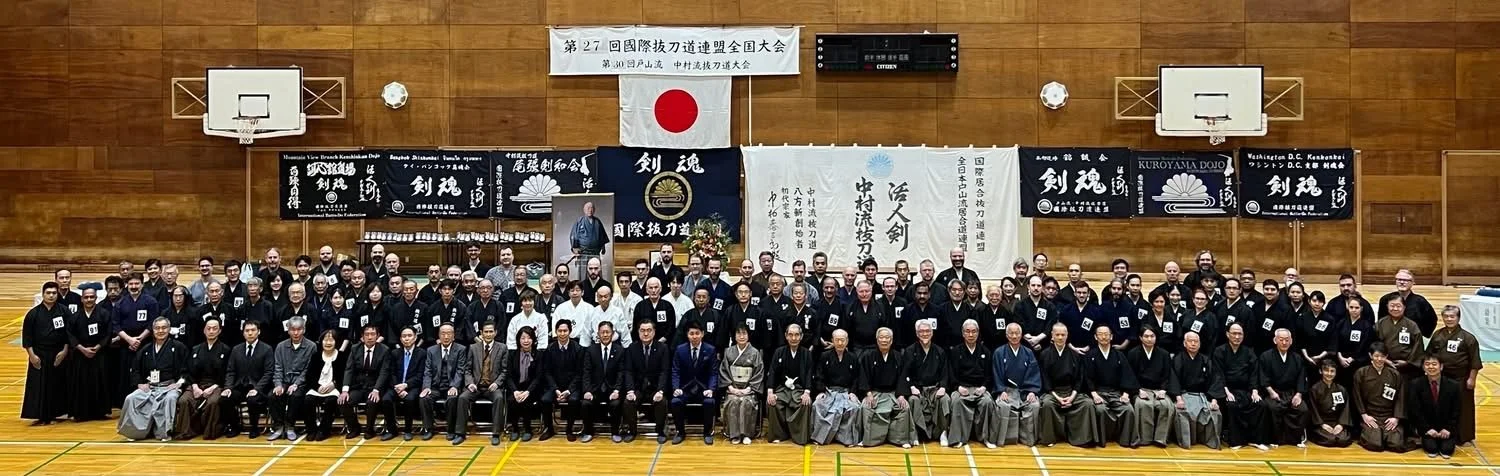
Training began in Yokohama, where budoka from 15 countries assembled for a four day seminar taught by the senior instructors of the International Battodo Federation (國際抜⼑道連盟)at the Yokohama Budokan. For some students, this was their first experience traveling to Japan, and training in Japan under other direct students of Nakamura Taisaburo sensei the founder of Nakamura Ryu. This offered opportunities for new insight, deeper immersion, and a stronger connection to the heritage that connects Battodo to Japanese culture. Following the seminars, about 100 competitors gathered at Tsurumi Sports Centre for the 27th Annual International Battodo Federation Taikai on 26th October.
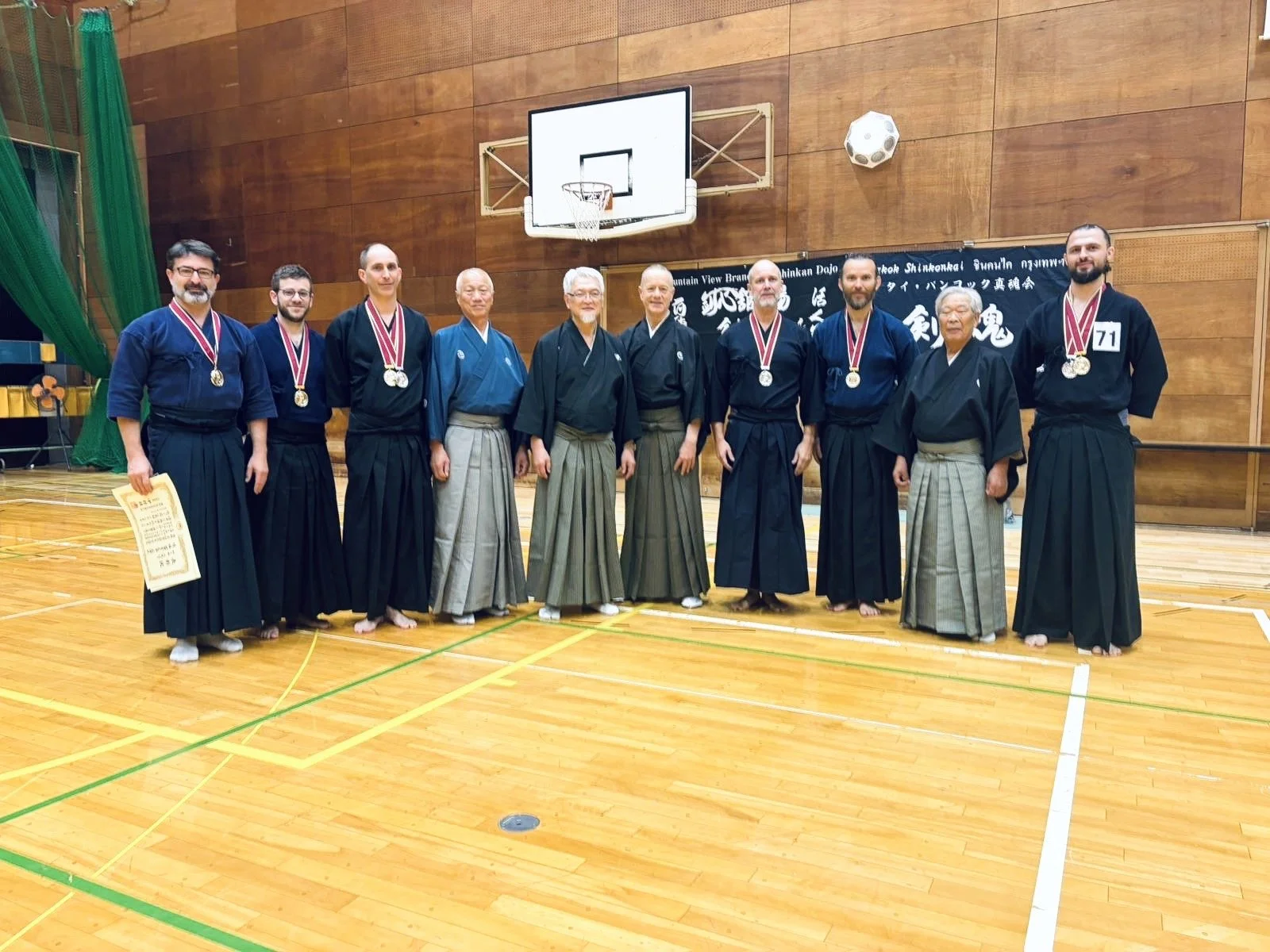
Fudokan students competed in every division and event of the Taikai, and distinguished themselves by winning gold and silver medals in kumitachi, gold and silver medals in tameshigiri, and multiple gold medals in kata. Although the competition at the taikai was exhilarating, the deepest benefits of this experience come from the camaraderie of the training environment which breaks down cultural and ethnic boundaries. The participants all emerged with greater understanding of Budo, Japanese culture and a determination to train with deeper attention and sincerity.
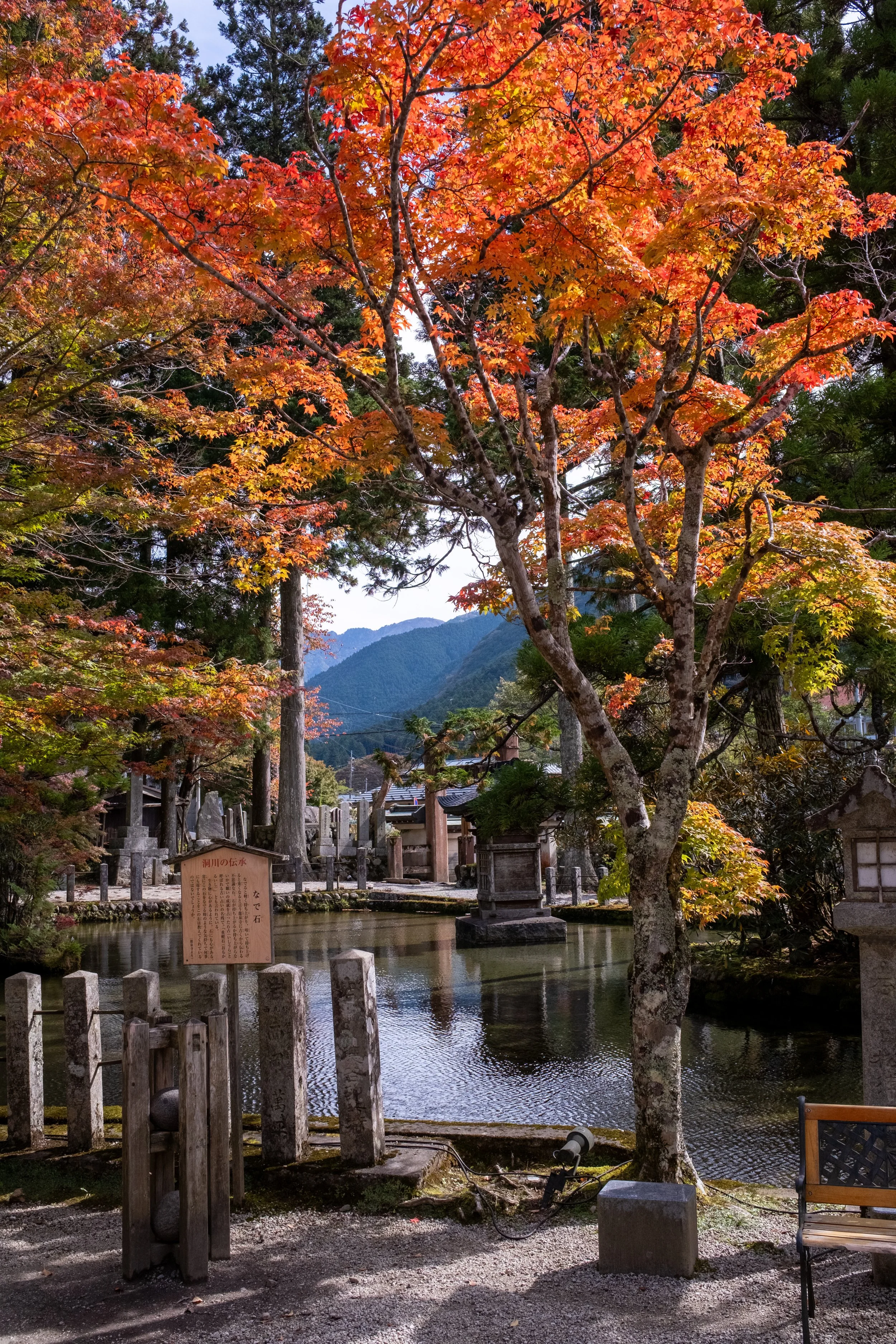
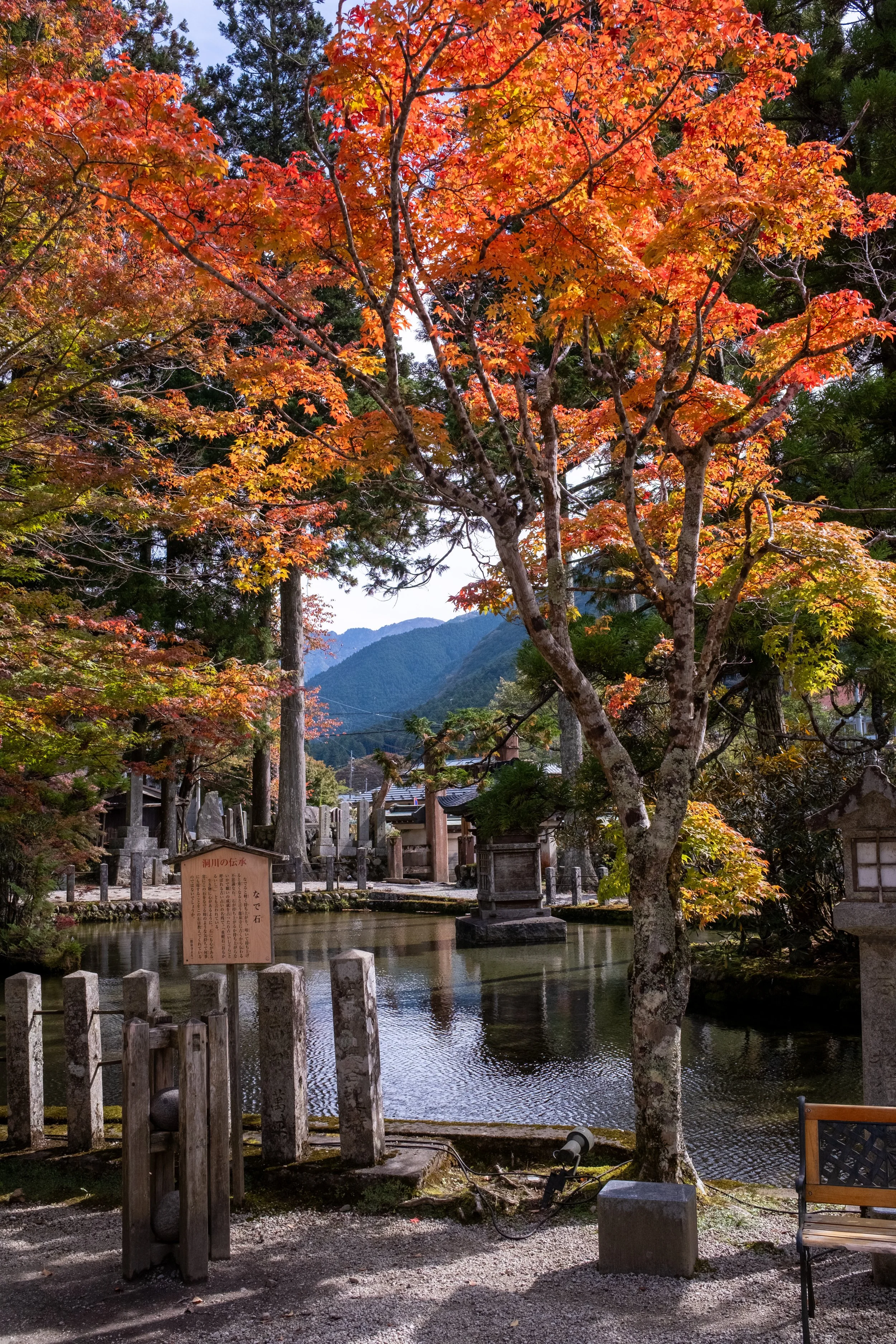
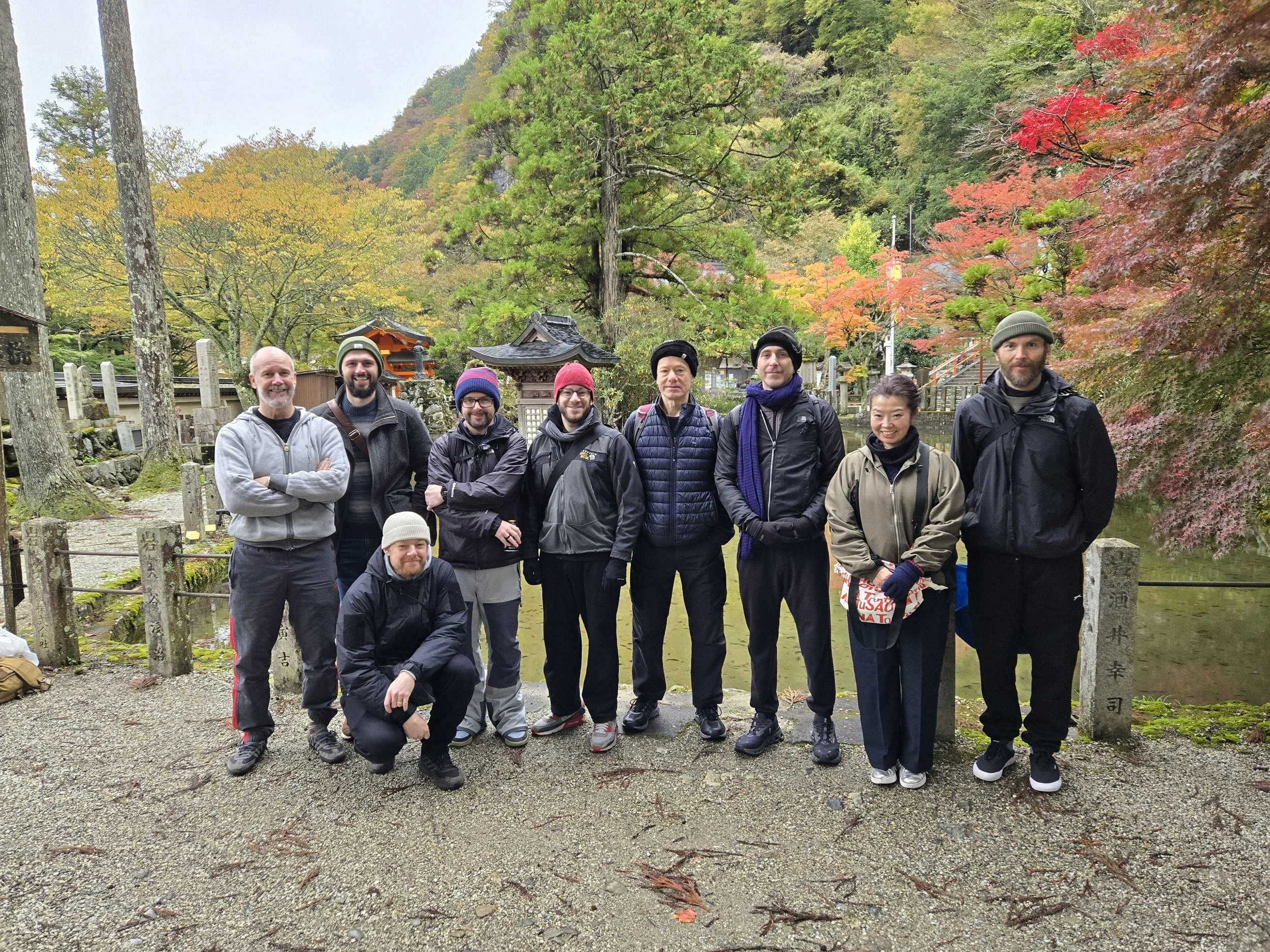
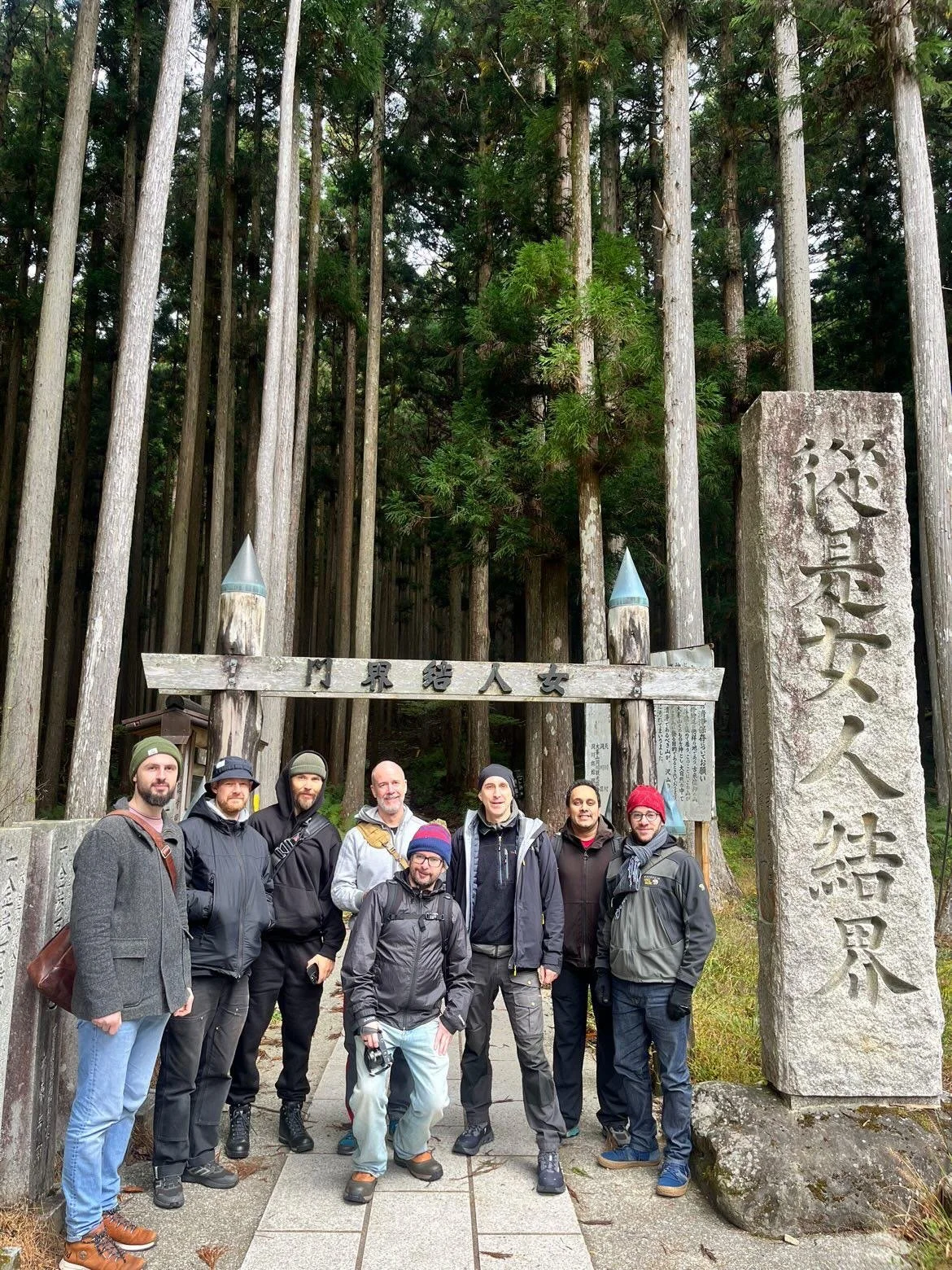
On October 27th the Fudokan senior group set out from Tsurumi for the remote village of Dorogawa, which sits at the foot of Mount Omine, over 550 kilometers southwest of Tokyo. The eight hour journey requires travel by subway, bullet train, and local bus. A major destination for pilgrims and practitioners of shugendo (修験道), the village is bustling from spring to fall, but nearly empty during the winter. This provided the quiet atmosphere necessary for the deep and demanding practices the Fudokan students undertook there and also provided a boost for the local economy.
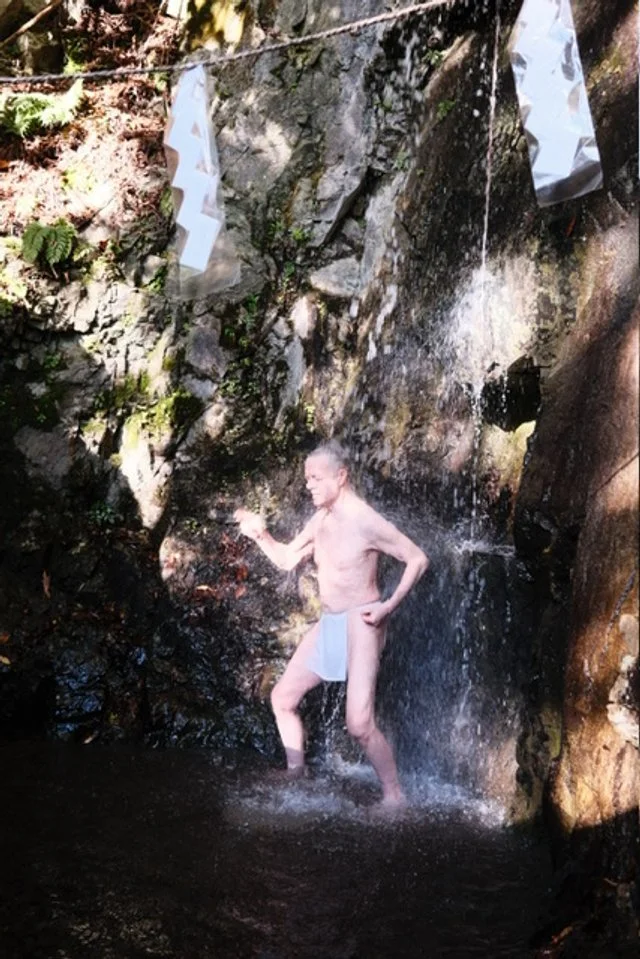
Following tanren on the first day, the Fudokan group practiced suigyo (水行) in the temple pond and received a blessing from Okada Sensei, the abbot of Ryusenji, who has welcomed practitioners from Fudokan for almost 10 years. With this important ritual complete, subsequent mornings at the temple were dedicated to practicing takigyo (滝行) at the waterfall on the temple grounds following early morning tanren training.
The waterfall presents different challenges to everyone at every stage of training. The frigid temperature and sheer power of the water strip away all pretence and affectation leaving only what one must confront in that moment in order to progress. To practice takigyo in such a sacred setting was a privilege deeply felt by all.
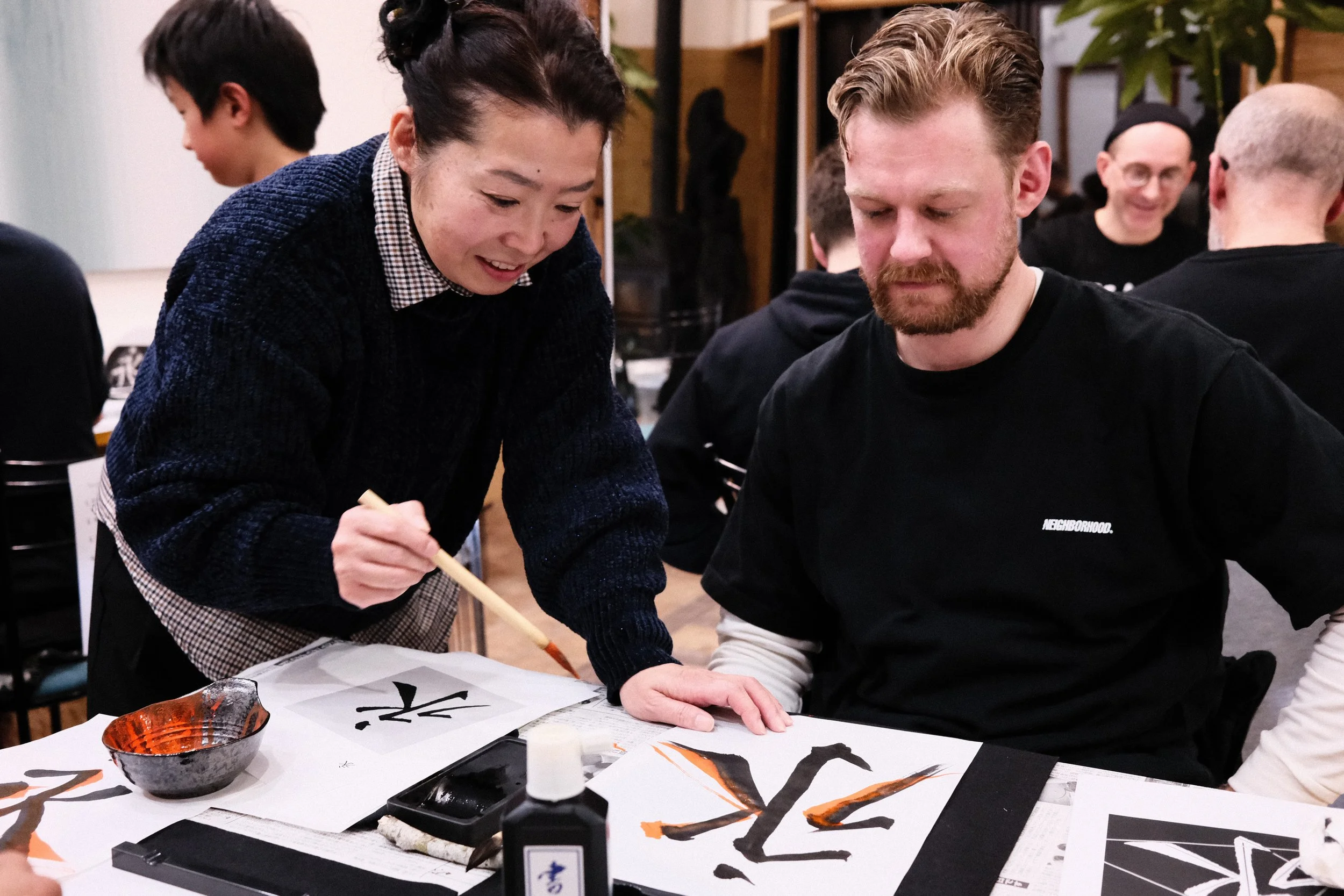
Afternoons and evenings in Dorogawa were spent with the sword and the brush. Evans sensei led the sword training, and over three sessions Taki Kodaira sensei guided everyone as they learned to brush the character ei (永), which means eternity. 永 contains the eight foundational brush strokes of Shodo (書道), which inspired the eight basic sword cuts of Nakamura Ryu Battodo
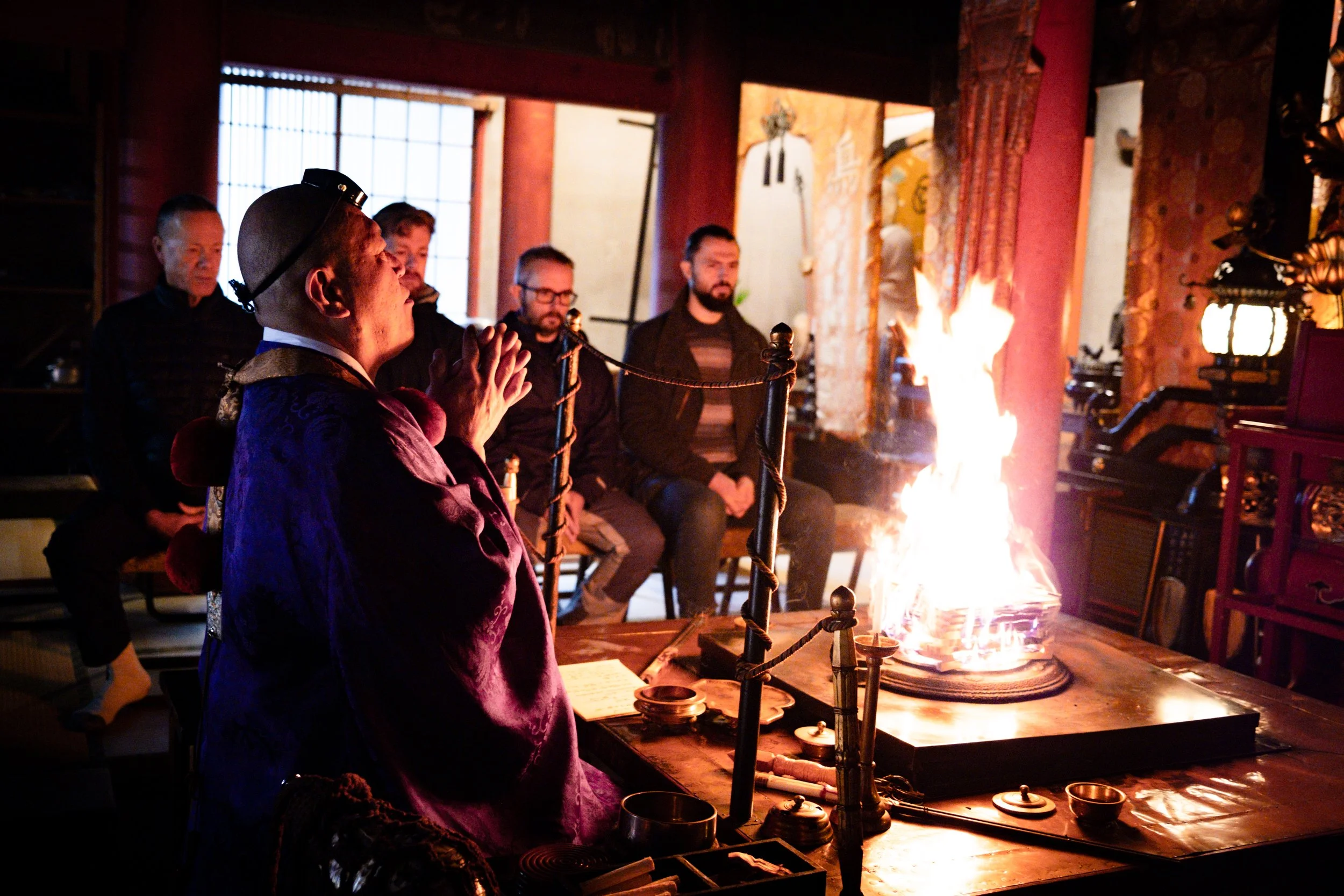
On the final morning of the retreat, the Fudokan group gathered at Ryusenji for a private fire ceremony. The goma (護摩) is a core ritual of Vajrayana Buddhist sects and Shugendo practitioners during which offerings are burned as a priest leads participants through the ceremony. Prior to the goma, each person reflected on what they had learned over the previous week, especially the obstacles they encountered. Each student wrote the obstacles they identified on consecrated wooden planks called gomagi (護摩木) that are burned during the ceremony while the priest and participants chant sutras and mantras connected to some of the same deities that govern the Kurikara Ryu mandala. To participate in an authentic fire ceremony as visitors was an exceptional privilege for everyone, and the ritual was a fitting and poignant end to the week’s training. Later that afternoon, Fudokan’s retreat in Dorogawa culminated as each person brushed their own 永 character, which brought the retreat to a close.
Seishin Tanren ‘forges the spirit’ through combining slow movements, deep breathing and internal focus. This practice benefits the participants at many levels and allows one to train progressively into old age.
Fudokan Dojo will continue to visit Tokyo and Dorogawa to deepen our relationships in Japan and our own training and understanding. In the regular teaching in London we strive to communicate how Budo is not just a sporting activity but is deeply rooted in the spiritual traditions of Japan.
Fudokan Dojo is deeply grateful for the support of The Great Britain Sasakawa Foundation, without which this powerful shugyo (修行) could not have taken place.